

Traveler at airport checking travel medical insurance before an international trip
Does Travel Insurance Cover Medical Expenses When You Travel?

Picture this: you're halfway through a hiking trip in Peru when appendicitis strikes. Or you're enjoying street food in Bangkok until sudden food poisoning lands you in a hospital bed. Medical problems won't check your itinerary before showing up—they happen when they happen, often thousands of miles from home.
Here's the short answer: yes, travel insurance can protect you financially when medical emergencies happen abroad. But here's what actually matters: policy details vary wildly. Some plans handle a broken bone but abandon you when evacuation bills hit $200,000. Others exclude the exact activities you booked your trip for.
Clicking "yes" on that insurance checkbox during flight booking? That's not enough. You need to understand what you're actually buying.
What Medical Expenses Does Travel Insurance Typically Cover
Comprehensive policies handle unexpected medical situations that pop up between your departure and return home. A few extend protection slightly before you leave, though terms vary.
Emergency medical treatment covers the basics when illness or injury strikes suddenly. Think doctor consultations, diagnostic work, imaging like X-rays or MRIs, laboratory testing, and whatever treatment your condition requires. Pneumonia in Paris? Sprained ankle while trekking in Costa Rica? Your travel insurance medical cover handles these bills up to whatever maximum your policy sets.
Hospital expenses eat up the biggest chunks of medical budgets abroad. We're talking emergency department visits, staying overnight as an inpatient, surgical procedures, intensive care when things get serious—everything that comes with hospital treatment. Switzerland might charge $15,000 for three days of inpatient care. Thailand could bill $3,000 for similar treatment. Either way, travel insurance with medical cover typically picks up the tab.
Ambulance rides include ground transport getting you to appropriate medical facilities. Plenty of policies throw in air ambulance coverage too, though usually just within the country where your emergency occurs. Getting airlifted between countries? That needs different coverage entirely.
Prescription drugs your doctor prescribes for covered conditions usually qualify for reimbursement. When a physician abroad writes you a script for antibiotics or pain medication following an injury, save those receipts. You'll submit them later for payment up to reasonable limits.
Emergency dental work addresses sudden pain or injury—but don't expect much. Most policies cap dental benefits around $300-$500. A tooth knocked out during a surfing wipeout? Covered. That cavity that's bugged you for three months? Not a chance.
Medical evacuation pays to move you to facilities with adequate care, or sometimes all the way back to the United States when local hospitals can't properly treat your condition. These benefits range from $100,000 up to $500,000 depending on your policy. Medical helicopters from remote islands to mainland hospitals, air ambulances from Southeast Asia to specialized US medical centers—this coverage handles transportation costs that would otherwise bankrupt most families.

Author: Olivia Prescott;
Source: visitmuseumcampussouth.com
Types of Medical Coverage in Travel Insurance Policies
Emergency Medical Coverage vs. Primary Medical Coverage
Most standard travel insurance with medical coverage functions as secondary insurance. Your regular health insurance processes claims first. Then your travel policy covers whatever's left. This setup prevents double-dipping, but it also means filing paperwork twice—once with your domestic insurer, then again with your travel coverage.
Primary medical coverage flips that script. These upgraded policies (or specialized medical travel plans) pay first. No need to involve your regular health insurance at all. The claims process gets simpler, especially when you're dealing with foreign hospitals. Your domestic insurance rates stay protected from international claims too. Expect to pay 20-40% more for primary coverage compared to secondary options, but you're buying convenience and protection.
Pre-Existing Condition Coverage Options
Standard policies shut out pre-existing conditions—medical issues you've dealt with during a lookback window before buying coverage. That window typically spans 60 to 180 days. We're talking about any illness or injury where you received treatment, took medication, or experienced symptoms.
Pre-existing condition waivers remove these restrictions, but you'll need to meet requirements: - Buy coverage within 10-21 days after making your first trip payment - Insure everything you've paid that's non-refundable - Be healthy enough to travel when purchasing the policy

Author: Olivia Prescott;
Source: visitmuseumcampussouth.com
These waivers won't cover unstable or deteriorating conditions. But controlled chronic issues like diabetes, high blood pressure, or heart disease? You're protected. Some policies also use "stability clauses"—they'll cover pre-existing conditions that haven't changed (no treatment adjustments, no new symptoms) for 60-90 days before your trip.
What Medical Costs Are Not Covered by Travel Insurance
Knowing what's excluded saves headaches later. Travel insurance medical cover handles emergencies—it's not comprehensive health insurance that works anywhere.
Routine healthcare stays off the table. Annual physicals, refilling prescriptions you already take, physical therapy appointments, regular check-ins with specialists—none of this generates reimbursements. Planning three months abroad and need medication management for chronic conditions? Bring your checkbook.
Elective procedures get excluded across the board. Cosmetic surgery, fertility treatments, scheduled operations you could do at home—forget about coverage. Traveling specifically for medical procedures (medical tourism) voids your coverage entirely, even if complications arise.
High-risk activities need special riders before you're protected. Skydiving, scuba diving past recreational depths, rock climbing, bungee jumping, competitive athletics—these usually cost extra. What counts as "high-risk" depends on the insurer. One might include recreational skiing automatically. Another demands a winter sports add-on.
Pre-existing conditions you didn't waive cause most claim rejections. Insurers dig through medical records when big claims arrive. Had a heart attack abroad? They might deny it if you experienced chest pain or medication changes months earlier, even if you didn't think much of it then.
Non-emergency follow-up care after you return home isn't covered. Neither is rehabilitation or ongoing treatment for conditions that started during your trip. Your policy addresses immediate emergencies, then you're on your own.
Injuries during illegal activities void everything. Same goes for accidents while drunk or using drugs. This includes crashes while driving without proper licensing, participating in prohibited activities, or breaking local laws.
How Much Medical Coverage Do You Actually Need
Author: Olivia Prescott;
Source: visitmuseumcampussouth.com
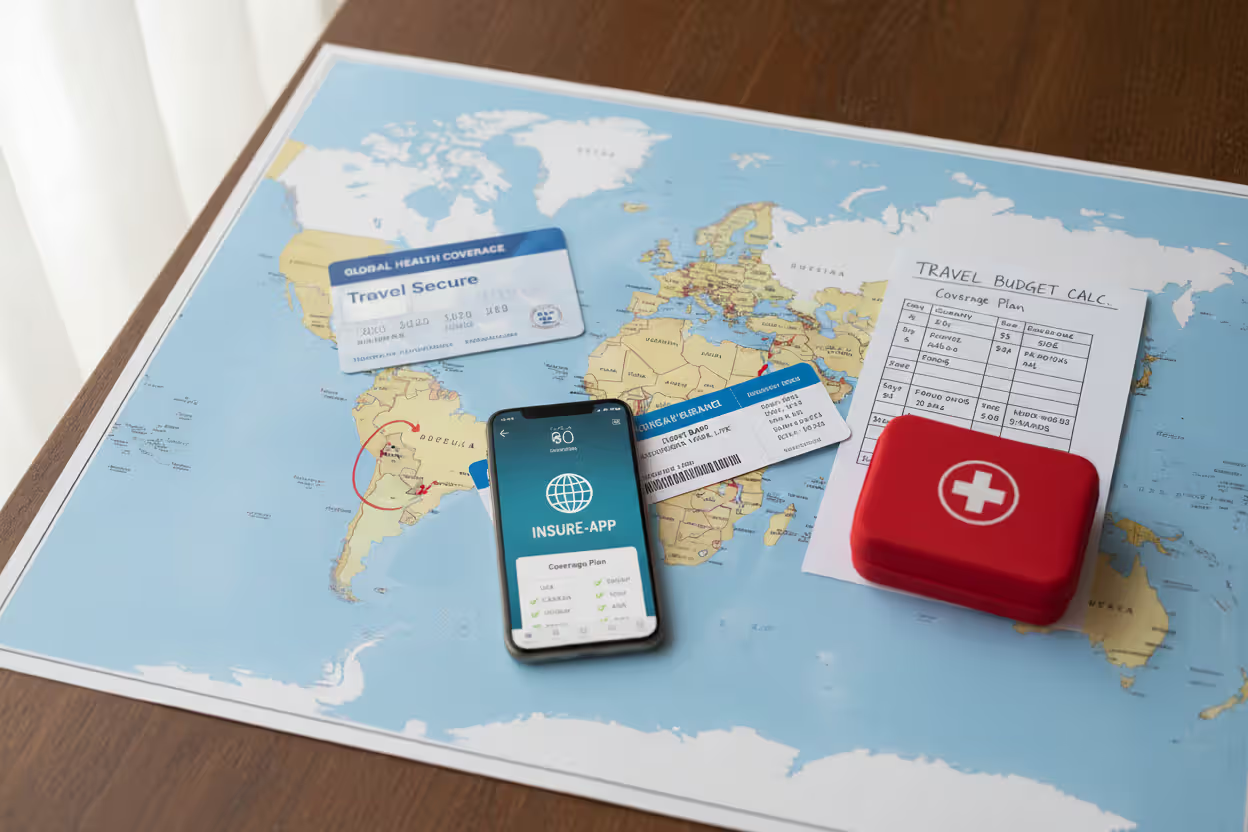
Figuring out appropriate travel insurance health coverage amounts means considering where you're going, your personal health situation, and gaps in whatever insurance you already carry.
Healthcare costs by destination swing wildly. Western Europe or Japan? Hospital bills rival US pricing. Southeast Asia or Latin America? You'll pay 60-80% less for similar care. But evacuation costs depend on distance and logistics, not local hospital rates. Airlifting someone from rural Nepal costs the same whether the local clinic charges $50 daily or $500.
How long you're gone affects both your risk level and what coverage makes sense. A weekend in Toronto presents different exposure than three months backpacking across Africa. Longer trips mean higher odds of illness and potentially serious accidents.
Your health situation matters more than just your age. A fit 70-year-old might need less coverage than a 40-year-old managing diabetes and cardiac issues. Count your daily medications, think about recent hospitalizations, consider how stable your chronic conditions are.
Gaps in current insurance determine whether you need travel coverage mainly for medical protection or trip cancellation benefits. Medicare won't help you outside the US (tiny exceptions for parts of Canada and Mexico in specific emergencies). Many private plans technically cover international emergencies but make you pay upfront, then fight for reimbursement later—problematic when hospital bills hit six figures.
Medical Coverage Recommendations by Where You're Going
| Where You're Headed | Minimum Coverage to Consider | What Medical Care Actually Costs | Evacuation Reality Check |
| Europe | $100,000 | Hospital: $2,000-4,000 daily; Emergency room: $500-1,500 | Flying you back to the US: $50,000-100,000 |
| Asia | $100,000 | Hospital: $500-2,000 daily; Emergency room: $100-500 | Getting you home from Asia: $75,000-150,000 |
| Caribbean | $50,000-100,000 | Hospital: $1,000-3,000 daily; Emergency room: $300-1,000 | Island-to-mainland transport: $25,000-75,000 |
| South America | $100,000 | Hospital: $600-2,500 daily; Emergency room: $200-800 | Remote evacuation: $50,000-125,000 |
| Africa | $250,000 | Hospital: $800-3,000 daily; Emergency room: $150-600 | Safari region evacuation: $100,000-200,000 |
| Really remote places | $250,000-500,000 | All over the map, facilities often limited | Antarctica, Pacific islands: $150,000-300,000 |
Here's a simple guideline: start at $100,000 for most international trips. Bump that to $250,000-500,000 for remote destinations, adventure-focused travel, or when elderly travelers or people with health conditions are going.
Does Your Health Insurance Already Cover International Travel
Plenty of travelers buy duplicate coverage because they haven't checked what protection they already have—or don't have. Understanding your existing travel insurance health coverage before purchasing additional policies prevents both wasteful over-insurance and dangerous gaps.
Medicare won't cover you internationally. Outside US borders, you're basically uninsured through Medicare. Part A and Part B offer almost nothing beyond extremely rare situations: medical emergencies in the US when a Canadian or Mexican hospital sits closer than any US facility, or cruise ship emergencies within US territorial waters. Medicare Supplement plans (Medigap) sometimes include foreign travel emergency coverage, but we're talking $50,000 lifetime maximum after a $250 deductible, and only for your first 60 days per trip.
Private insurance international benefits depend completely on your specific plan and insurance company. Lots of employer PPO plans technically cover emergency care abroad, processing everything as out-of-network benefits. Translation: you'll hit your deductible first (often several thousand dollars) then pay 20-40% of whatever remains. HMO plans? Generally nothing works out-of-network except genuinely life-threatening emergencies.
Here's the real problem: most US health insurance expects you to pay hospitals directly, then submit receipts for reimbursement. Foreign hospitals typically demand cash payment or substantial deposits before treating you. Needing $30,000 surgery in Spain means finding $30,000 in cash immediately, even though your insurance might eventually reimburse 70% after your deductible. That's a cash flow nightmare.
How multiple coverages work together: When you carry both domestic health insurance and travel insurance with medical coverage, payment order matters. Secondary travel insurance picks up deductibles, coinsurance percentages, and whatever your primary insurance rejects, up to your travel policy's maximums. This coordination delivers comprehensive protection but doubles your paperwork—claims go to both insurers.
When dedicated travel medical insurance makes sense: Buy standalone medical travel coverage when your domestic plan offers zero international benefits, demands substantial out-of-pocket spending, or excludes medical evacuation completely. Your travel policy becomes primary protection, paying claims directly and eliminating reimbursement headaches.
Travelers consistently make one massive mistake—assuming their health insurance works abroad exactly like it does at home. I've watched families get stuck with $80,000 bills because they assumed their PPO covered everything. Reality hit when the hospital demanded payment before discharge and their insurance only reimbursed 60% after a $5,000 deductible. Medical evacuation matters even more critically. Your regular health insurance almost never pays that $150,000 air ambulance bill from truly remote locations, but that's exactly what prevents bankruptcy during genuinely serious emergencies
— Dr. Jennifer Martinez
How to Choose Travel Insurance with Adequate Medical Coverage
Selecting smart travel insurance with medical cover requires comparing actual policy features, not just choosing whatever costs least or accepting default coverage bundled with flight bookings.
Maximum coverage amounts should match or beat recommended levels for your destination. A $25,000 policy looks fine until you need surgery in Switzerland or evacuation from a remote island. Read carefully: some policies advertise impressive maximums but include sub-limits for specific services—$50,000 overall coverage sounds good until you discover only $10,000 applies to emergency evacuation, rendering the policy worthless for serious emergencies.
Your deductible determines out-of-pocket costs before insurance pays anything. Zero-deductible policies cost more upfront but eliminate payment requirements during emergencies. Higher deductibles ($250-1,000) cut premiums by 15-30% while requiring you to cover initial expenses. Can you comfortably pay the deductible in cash if needed? Answer honestly.
Evacuation benefits deserve extra scrutiny. Separate medical evacuation limits from general medical coverage in your analysis. A policy offering $100,000 medical coverage but only $25,000 evacuation coverage leaves you exposed. Look for at least $100,000 evacuation coverage for typical destinations, $250,000-500,000 when traveling to genuinely remote locations.
Round-the-clock assistance delivers more value than most travelers appreciate. Quality insurers staff emergency hotlines with multilingual coordinators around the clock. They locate appropriate medical facilities, arrange direct hospital billing, coordinate evacuations, communicate with your worried family back home. This concierge service becomes invaluable when you're sick or injured, navigating unfamiliar healthcare systems in languages you don't speak.

Author: Olivia Prescott;
Source: visitmuseumcampussouth.com
Claims processing transparency distinguishes solid insurers from problematic ones. Research whether companies pay providers directly or make you pay first, then seek reimbursement. Direct payment arrangements with international hospital networks eliminate the nightmare of fronting five-figure medical bills. Check claim submission requirements, what documentation they want, average processing timeframes.
Policy evaluation steps:
- Review your existing health insurance to identify international coverage gaps
- Determine appropriate coverage maximums based on destination and your health status
- Compare at least three policies with similar coverage levels, noting deductibles and sub-limits carefully
- Verify evacuation coverage meets or exceeds $100,000 for standard trips, $250,000+ for remote destinations
- Read exclusions thoroughly, particularly around pre-existing conditions and activity restrictions
- Determine if adventure sports riders are needed for activities you've planned
- Check the insurer's financial strength (A.M. Best rating of A- or higher recommended)
- Confirm assistance services operate 24/7 and offer direct payment capabilities
Travel insurance with health coverage sold as standalone medical-only policies often beats bundled trip cancellation packages when you need high medical limits but your travel arrangements are already refundable. Flip that around: comprehensive policies make better sense when you need both trip cancellation protection and medical coverage together.
Annual multi-trip policies benefit frequent international travelers, covering unlimited trips (each up to specified durations, typically 30-90 days) for one annual premium. These cost 40-60% less than buying separate coverage for three or more international trips yearly.
FAQ
Medical coverage represents travel insurance's most critical component, yet travelers often fixate primarily on trip cancellation benefits or choose inadequate limits to save $50 on premiums. This backwards prioritization becomes painfully apparent only during emergencies—when a treatable injury mushrooms into a six-figure financial disaster because your policy maxed out at $25,000.
Adequate medical coverage means matching policy limits to realistic worst-case scenarios for where you're actually going, not just accepting whatever default coverage amounts insurers suggest. A solid policy with $100,000-250,000 medical benefits, robust evacuation coverage, and assistance services operating around the clock costs $50-150 more than bare-bones coverage for typical trips. That's modest insurance against potential bankruptcy.
The math changes when you realize medical emergencies abroad don't exclusively happen to other people. Roughly one in six international travelers needs medical care during trips—though most incidents involve minor issues. The one percent experiencing serious medical emergencies face average costs exceeding $75,000 when evacuation becomes necessary.
Your existing health insurance might offer some international coverage, but gaps in that protection—deductibles, coinsurance percentages, evacuation exclusions, upfront cash payment requirements—create financial exposure that dedicated travel medical insurance eliminates. Reviewing both coverages together, understanding coordination between them, and purchasing supplemental protection for identified gaps delivers comprehensive protection without wasteful duplication.
Choose coverage based on realistic risk assessment rather than optimistic assumptions that nothing could possibly go wrong. Medical emergencies disrupt even meticulously planned trips, but adequate insurance coverage ensures those disruptions remain medical challenges rather than financial catastrophes.
Related Stories
Read more

Read more




The content on this website is provided for general informational and educational purposes only. It is intended to offer guidance on travel insurance topics, including coverage options, premiums, deductibles, trip cancellation protection, travel medical insurance, baggage coverage, travel delays, emergency medical evacuation, and related travel protection matters. The information presented should not be considered legal, medical, financial, or professional insurance advice.
All articles and explanations published on this website are for informational purposes only. Travel insurance policies can vary between providers, and details such as coverage limits, exclusions, reimbursement conditions, waiting periods, eligibility requirements, and claim outcomes may differ depending on the insurer, policy type, destination, traveler age, health status, and trip details.
While we strive to keep the information accurate and up to date, this website makes no guarantees regarding the completeness or reliability of the content. Use of this website does not create a professional relationship. Visitors should review the official policy documents provided by insurance companies and consult with licensed insurance professionals or qualified advisors before making decisions about travel insurance coverage.