

Traveler reviewing trip booking and travel insurance options at a desk
Do I Need Travel Insurance for My Trip?

You've booked your dream vacation—flights, hotels, the works. Then doubt creeps in. What happens if you break your leg the day before departure? What if your luggage vanishes in a foreign airport? Should you shell out extra cash for travel insurance, or is it just another way companies squeeze money from anxious travelers?
Here's the truth: travel insurance can save your financial bacon in specific situations. It can also be a complete waste of money in others. The difference comes down to your trip details, your existing coverage, and how much financial pain you could handle if things go sideways.
I've watched friends lose thousands on non-refundable trips they couldn't take. I've also watched people pay $300 for insurance they absolutely didn't need. This guide cuts through the confusion so you can make the right call for your specific situation.
What Travel Insurance Actually Covers
Travel insurance isn't one thing—it's a bundle of different protections sold together. Understanding each piece helps you figure out what you actually need.
Trip cancellation and interruption protection gives you money back when you can't take your trip or need to cut it short. But here's the catch: you can't cancel for just any reason. Covered situations typically include getting seriously sick or injured, a death in your immediate family, getting called for jury duty, or your house becoming uninhabitable from a fire or flood. Let's say you dropped $5,000 on a European vacation, then your father has a stroke three days before you leave—this coverage puts that $5,000 back in your account.
Emergency medical coverage pays for doctor visits, hospital stays, and medical treatment when you get sick or hurt while traveling. Your regular health insurance? It probably covers exactly nothing once you leave the United States. Fracturing your wrist in Barcelona or catching severe pneumonia in Thailand could stick you with $15,000 in bills without this protection.

Author: Samantha Lowell;
Source: visitmuseumcampussouth.com
Emergency medical evacuation covers transportation to better hospitals or flights back home when local medical care isn't adequate. This matters more than most people realize. Getting airlifted from a remote location or medically evacuated from another country regularly costs $75,000 to $200,000. Just this one benefit can justify buying comprehensive coverage for international trips.
Baggage loss and delay coverage reimburses you for stolen or lost luggage and helps you buy essentials when your bags show up late (usually after 12-24 hours). Don't expect huge payouts—limits typically cap at $1,000 to $2,500 per person, with additional restrictions on expensive items like electronics or jewelry.
Travel delay reimbursement covers unexpected expenses like meals and hotel rooms when your departure gets delayed by covered events (weather, mechanical problems, strikes) for a minimum period—often six to twelve hours.
Why get travel insurance? These components address the biggest financial threats travelers face. Medical emergencies abroad and cancellations from sudden illness represent scenarios where policies actually pay out substantial amounts and prevent financial disasters.

Author: Samantha Lowell;
Source: visitmuseumcampussouth.com
When Travel Insurance Is Worth Buying
Insurance makes sense when potential losses exceed what you could comfortably absorb and there's a realistic chance of those losses happening.
Expensive trips create the strongest case for coverage. Prepaying $7,500 for ten days in Japan with non-refundable hotels and activities makes a $375 policy (around 5% of your costs) reasonable protection for that investment. The more money at stake, the more protection makes sense.
International travel multiplies your risks dramatically. Most U.S. health insurance provides minimal or zero international coverage. Medicare absolutely won't help you abroad except in extremely rare circumstances. A hospital stay in London or Sydney can easily generate $30,000 in bills. International trips also involve more complex logistics—multiple flights, foreign accommodations, language barriers—creating more opportunities for expensive problems.
Travelers with chronic conditions should strongly consider coverage, but timing matters enormously. Standard policies exclude pre-existing conditions unless you purchase within 10-21 days of your first trip payment while meeting other requirements. This "pre-existing condition waiver" provides massive value if you're managing diabetes, heart disease, or similar ongoing conditions that could unexpectedly worsen.
Adventure activities and cruises often justify the cost. Skiing, scuba diving, and backcountry hiking increase injury chances significantly. Cruises require large upfront payments with brutal cancellation policies—often forfeiting 100% when canceling within 90 days. Cruise itineraries change due to weather or mechanical issues, and medical care onboard is limited and shockingly expensive.
Traveling with elderly relatives or young children increases the odds of trip disruptions. Older travelers face higher illness and injury risks, while traveling with kids means greater chances of someone getting sick at the worst possible moment. Should you get travel insurance in these situations? Yes, when losing the money would genuinely hurt.
Peak season or holiday travel to weather-prone destinations (Caribbean during hurricane season, Northeast in winter) makes delay and cancellation coverage more worthwhile. When weather forces mass cancellations, you're competing with thousands of stranded travelers for limited hotel rooms and rebooking slots.

Author: Samantha Lowell;
Source: visitmuseumcampussouth.com
When You Can Probably Skip Travel Insurance
Coverage isn't necessary for every trip. Some situations exist where insurance costs exceed your realistic financial risk.
Quick domestic trips close to home rarely need insurance. A weekend road trip three hours away or a $450 flight to visit family involves minimal financial exposure. If problems arise, you can just drive home. Your health insurance likely works throughout the U.S., and the total money at risk stays low.
Credit card travel benefits might already give you adequate coverage. Many premium travel cards include trip cancellation/interruption coverage, baggage delay reimbursement, and travel accident insurance when you book travel with that card. Pull out your cardholder agreement—you might already have protections worth hundreds in annual insurance premiums. Just know that credit card coverage often has limitations and lower payout caps than dedicated policies.
Completely refundable bookings eliminate the need for cancellation coverage. When you've booked hotels and flights that offer full refunds with no penalties, you face zero financial risk from canceling. Buying coverage means paying for benefits you literally cannot use. Do you really need travel insurance when everything refunds completely? Obviously not.
Really cheap trips don't warrant the premium expense. A $600 total trip cost makes paying $50-60 for insurance (nearly 10% of costs) protection for a fairly small amount. Most people can handle a $600 loss without creating financial hardship. Is trip insurance necessary for a budget weekend getaway? Usually not.
Frequent travelers with flexible schedules who can easily rebook or absorb occasional losses may find insurance wasteful. When you're traveling monthly for business and pleasure, occasionally eating a cancellation cost becomes a predictable expense rather than a catastrophic loss.
Here's how to think about different scenarios:
| Trip Scenario | Insurance Recommended? | Why or Why Not |
| International trip with $3,500+ in prepaid costs | Yes | Significant money at risk; standard health insurance won't work abroad |
| Weekend getaway driving distance from home | No | Small financial exposure; regular health coverage applies; easy to return if needed |
| Cruise vacation | Yes | Huge upfront deposits; harsh cancellation penalties; limited medical facilities |
| $350 domestic flight with hotel that refunds fully | No | Low financial risk; refundable booking prevents cancellation losses |
| Ski trip or diving vacation | Yes | Increased injury likelihood; potential evacuation needs |
| Visiting relatives using travel rewards card | Maybe | Check your card benefits first; might already have sufficient coverage |
| Caribbean travel June through November | Yes | Higher cancellation/delay chances; hurricane season disruptions |
| Business trip with flexible tickets | No | Already have changeable tickets; employer may cover disruption expenses |
How Much Does Travel Insurance Cost
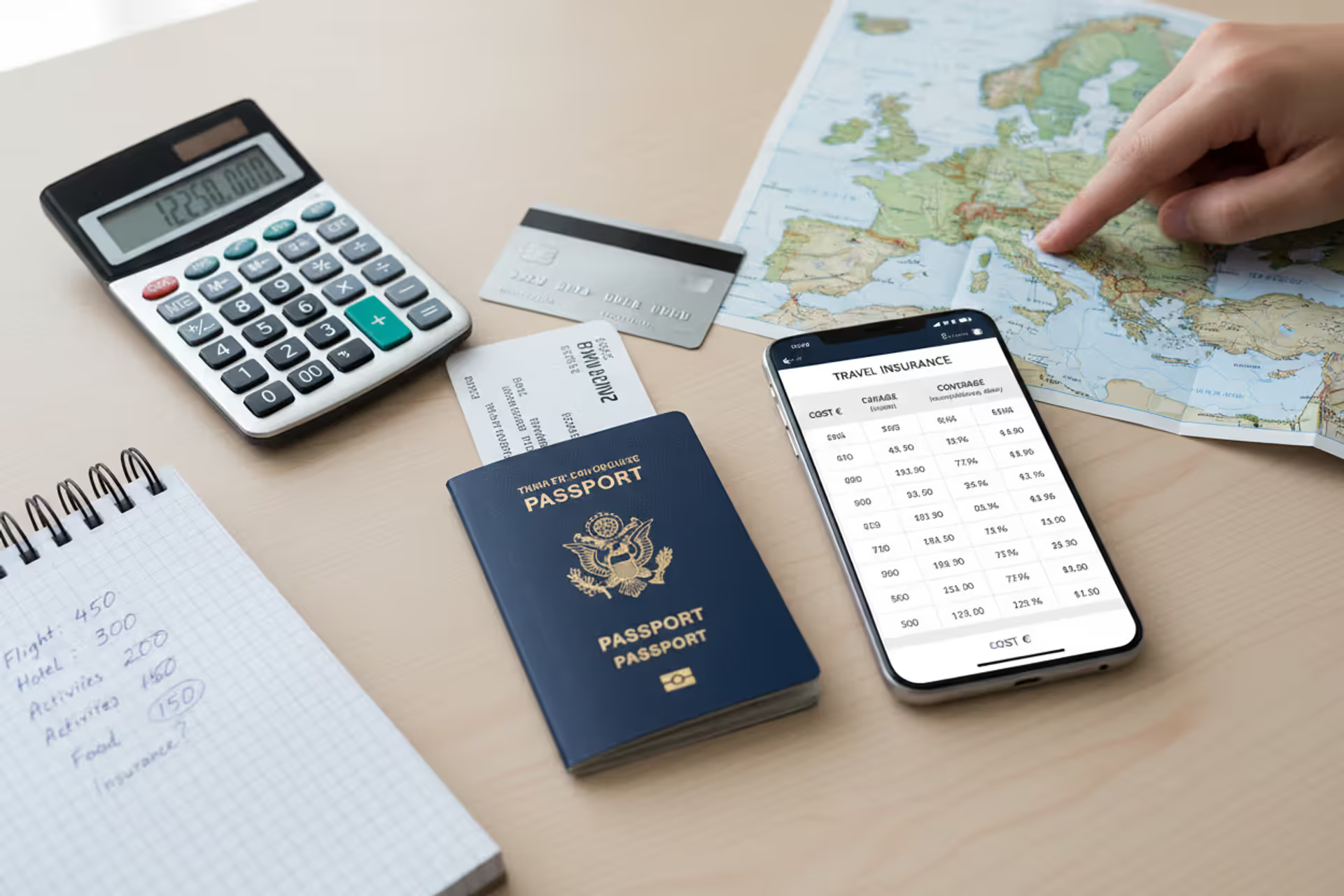
Plan on travel insurance running 4% to 10% of your total trip cost, with most policies landing around 5-7%. A $2,500 vacation typically generates premiums from $125 to $250.
Several factors determine what you'll pay:
Your trip cost drives pricing more than anything else. Insurers generally calculate premiums as a percentage of total prepaid, non-refundable expenses. More expensive trips mean higher premiums because the insurer's potential payout increases.
Traveler age dramatically affects pricing. Anyone over 60 often pays 50-100% more than younger travelers because they file more medical claims. A 30-year-old might pay $200 for a $3,500 trip, while a 68-year-old could pay $350-400 for identical coverage.
Trip length influences cost. Longer trips create more opportunities for things to go wrong and cost more to insure per day. A three-week international journey costs more to insure than a seven-day trip, even at the same total expense.
Your destination affects pricing based on healthcare costs and risk levels. Traveling to countries with expensive healthcare systems (Switzerland, Japan) or regions with political instability costs more to insure than visiting Canada or the UK.
Coverage type and add-ons increase costs. Basic plans covering only trip cancellation and emergency medical run cheaper than comprehensive packages. Adding "cancel for any reason" coverage typically bumps premiums up 40-60% but lets you cancel for non-covered reasons—though you typically recover only 50-75% of prepaid costs instead of 100%.
Pre-existing condition coverage requires purchasing within specific windows (typically 10-21 days after your initial trip deposit) but often doesn't increase premiums—it's frequently automatic when you meet timing requirements.
Most insurers offer online quote tools. Shopping around reveals significant price differences for equivalent coverage. The same $5,000 vacation might generate quotes ranging from $275 to $450 across different providers.

Author: Samantha Lowell;
Source: visitmuseumcampussouth.com
Common Travel Insurance Mistakes to Avoid
Even travelers who buy insurance frequently make errors that leave them unprotected when they actually need help.
Waiting too long to buy represents the most common mistake. Many benefits—especially pre-existing condition waivers and "cancel for any reason" options—require purchasing within 10-21 days of your first trip deposit. Waiting until a month before you leave eliminates these critical protections. Buy insurance when you make your first trip payment, not when you're packing.
Ignoring the exclusions list leaves people shocked when claims get denied. Every policy lists situations it won't cover. Common exclusions include: - Traveling against State Department warnings - Injuries from specific adventure sports unless you pay extra - Mental health crises - Pregnancy complications after a certain point - Losses related to alcohol or drug use - Canceling because you're scared or changed your mind
Thinking your health insurance works internationally is dangerous. Most U.S. health plans provide little or no international coverage. Medicare won't help you abroad except in extremely limited situations. Verify your coverage before international travel—you'll likely find major gaps.
Misunderstanding "cancel for any reason" limits frustrates travelers expecting full refunds. CFAR typically reimburses only 50-75% of prepaid costs, never 100%. You also must cancel at least 48 hours before your scheduled departure. It's valuable flexibility but not unlimited cancellation freedom with complete refunds.
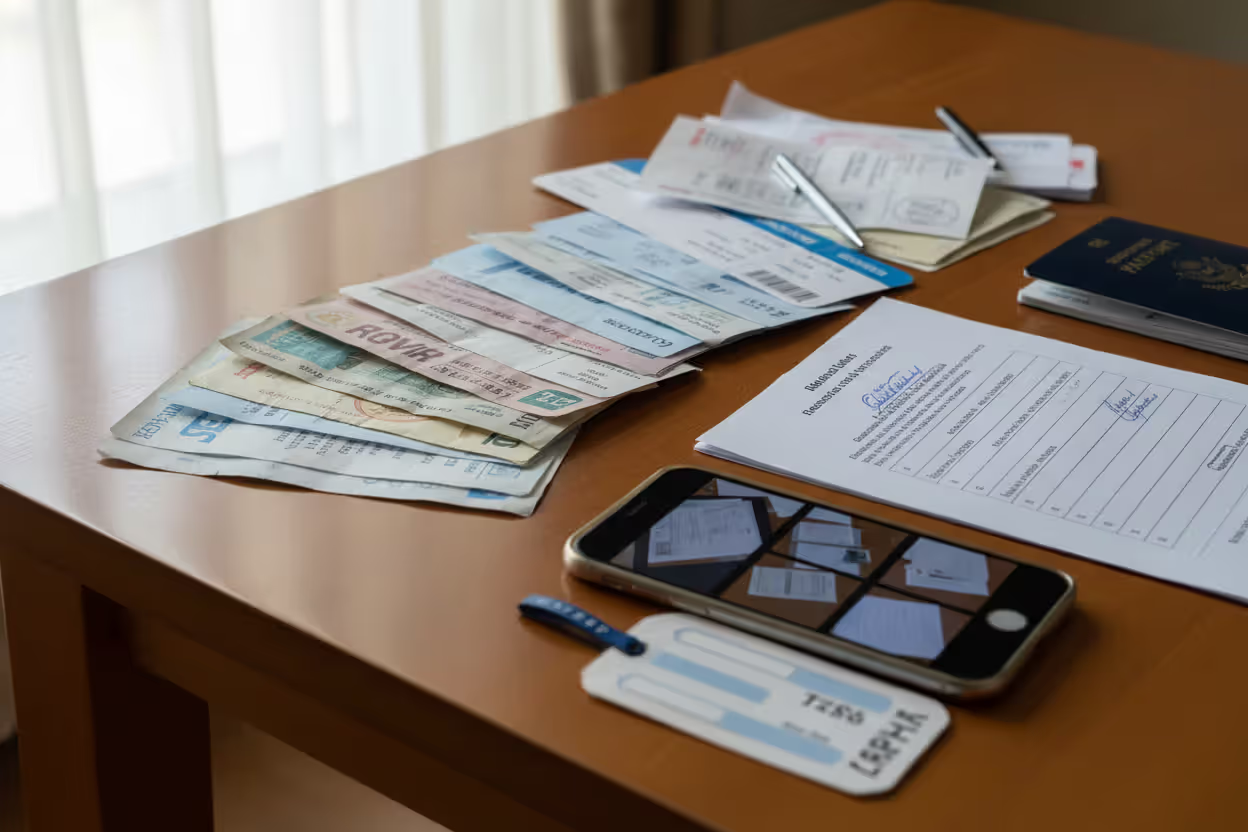
Not documenting everything makes filing claims difficult. Claims require receipts, medical records, proof of family relationships for sick relatives, delay confirmation, and other evidence. Keep copies of everything related to your trip and any incidents.
Buying coverage you already have wastes money. If your credit card already covers baggage delays and you never check bags, buying additional baggage protection makes zero sense. Review your existing protections before purchasing anything new.
Author: Samantha Lowell;
Source: visitmuseumcampussouth.com
How to Choose the Right Travel Insurance Policy
Selecting appropriate coverage requires evaluating your specific situation rather than buying the first policy you see.
Start by identifying your actual risks. What problems would create financial hardship? International travel makes medical coverage and evacuation top priorities. Prepaying $6,000 in non-refundable expenses makes trip cancellation most important. Healthy travelers taking domestic trips with refundable bookings might need minimal coverage or none.
Add up your total at-risk amount. Total all non-refundable deposits, prepaid tours, flights, and lodging. This number determines how much trip cancellation/interruption coverage you need. Don't over-insure by including spending money you'll use during the trip—only insure prepaid, non-recoverable expenses.
Get quotes from multiple providers. Prices and coverage vary wildly. Check at least three sources: dedicated travel insurers (Allianz, Travel Guard, World Nomads), comparison websites like InsureMyTrip or Squaremouth that show multiple options side-by-side, and coverage offered through your travel booking site. Focus on coverage limits, exclusions, and deductibles—not just price.
Read the actual policy wording, not marketing materials. Promotional summaries highlight benefits while downplaying limitations. The full policy document (often called "Description of Coverage" or "Certificate of Insurance") contains the real terms. Pay special attention to: - Covered reasons for cancellation - Medical coverage caps - Evacuation benefit limits - The exclusions section - Pre-existing condition definitions and waiver requirements - Claims filing procedures
Check the provider's financial strength and reputation. Cheap policies from companies that deny legitimate claims or delay payments for months provide zero value. Look for ratings from A.M. Best or Standard & Poor's (aim for A- or better) and read customer reviews focusing on claims experiences, not just ease of purchase.
Think about your booking timeline. Booking far in advance means purchasing within 10-21 days of your first deposit accesses pre-existing condition waivers and CFAR options. Booking close to departure may eliminate these benefits.
Verify coverage for your planned activities. Skiing, diving, or other adventure sports require confirming the policy actually covers these. Many policies exclude or limit coverage for certain activities unless you pay extra.
The biggest mistake travelers make is treating insurance like a checkbox instead of a decision. They either buy nothing or grab whatever pops up at checkout. Neither approach matches coverage to actual risk. Take fifteen minutes to evaluate what you'd lose if something went wrong and what protections you already have. That analysis tells you exactly what coverage you need
— Sarah Webber
Frequently Asked Questions About Travel Insurance
Deciding whether to buy travel insurance requires honest assessment of your financial exposure and personal situation. If losing your trip investment would create real financial hardship, insurance makes sense. Traveling internationally without adequate health coverage makes medical and evacuation protection essential. Booking refundable arrangements for a cheap domestic weekend trip probably means you're fine skipping it.
The right answer changes depending on the person and the trip. Someone who always skips insurance for weekend getaways might absolutely need it for a $12,000 anniversary trip to Australia. Someone who never needed coverage across fifteen previous vacations might face a medical emergency on trip sixteen.
Start by calculating your actual loss if you couldn't take your trip or faced a medical emergency abroad. Compare that figure to insurance costs—typically 5-7% of trip expenses. When premiums seem reasonable compared to potential losses, buy coverage. When you're insuring small amounts or have other protections, skip it.
Most importantly, when insurance makes sense, buy early—within two weeks of your first trip payment—and read the actual policy documents. Understanding what you're buying prevents nasty surprises when filing claims.
Travel insurance isn't about being optimistic versus pessimistic. It's about math, risk assessment, and financial protection. Make decisions based on your specific trip, not someone else's vacation story.
Related Stories

Read more
Read more




The content on this website is provided for general informational and educational purposes only. It is intended to offer guidance on travel insurance topics, including coverage options, premiums, deductibles, trip cancellation protection, travel medical insurance, baggage coverage, travel delays, emergency medical evacuation, and related travel protection matters. The information presented should not be considered legal, medical, financial, or professional insurance advice.
All articles and explanations published on this website are for informational purposes only. Travel insurance policies can vary between providers, and details such as coverage limits, exclusions, reimbursement conditions, waiting periods, eligibility requirements, and claim outcomes may differ depending on the insurer, policy type, destination, traveler age, health status, and trip details.
While we strive to keep the information accurate and up to date, this website makes no guarantees regarding the completeness or reliability of the content. Use of this website does not create a professional relationship. Visitors should review the official policy documents provided by insurance companies and consult with licensed insurance professionals or qualified advisors before making decisions about travel insurance coverage.