

Traveler buying travel insurance after booking a trip
Can I Add Travel Insurance After Booking My Trip?

Booking travel insurance after you've already reserved your flights and hotels? Absolutely doable. Here's what catches most people off guard: insurers will sell you a policy right up until departure day—sometimes even 24 hours beforehand. The catch? Your procrastination comes with consequences. Wait too long, and you'll find several valuable protections already off the table.
Think of it this way: nobody forces you to bundle insurance with your initial booking. That pressure you feel on checkout pages? Pure marketing. What actually matters is understanding how your purchase date affects which safety nets you'll have access to. Buy smart, even if you buy later.
When You Can Buy Travel Insurance After Booking
Here's the reality about timing: travel insurance doesn't expire the moment you click "confirm booking." You've got options for days, sometimes weeks or months, depending on your departure date. Most major providers—Allianz, Travel Guard, Berkshire Hathaway—will happily take your money well into your planning process.
The hard deadline? Usually 24 hours before you leave, though I've seen companies cut it off at 48 or even 72 hours. Check individual carrier rules rather than assuming you've got until the last minute.
Now, availability doesn't mean all benefits stay available. There's a crucial window that pops up repeatedly across the industry: 10 to 21 days from your first trip payment. Some insurers stick to 14 days. Others stretch it to 21. During this period, you're eligible for enhanced protections that vanish afterward. Miss it, and you've locked yourself out of coverage most travelers actually need.
Travel insurance after booking works differently for a weekend getaway versus a complex international journey. Booked a simple roundtrip three months out? You've got breathing room. Dropped $8,000 on non-refundable deposits for a two-week European tour? Every day you wait chips away at your options.

Author: Dylan Mercer;
Source: visitmuseumcampussouth.com
Don't rely on industry-wide standards. Carrier-specific windows determine what you can actually buy. Budget insurers often impose tighter restrictions. Premium providers sometimes offer extended enrollment as a selling point. Read the fine print for your shortlist of companies, not general guidelines.
The 14-day window exists to prevent people from gaming the system. After two weeks, insurers start wondering if you've learned something new about your trip—a hurricane forecast, a health scare—that's driving your sudden interest in coverage
— Sarah Chen
Coverage Differences Based on When You Purchase
Insurance companies essentially run two different programs: one for early buyers, another for everyone else. Purchase within their specified window after paying for your trip, and you unlock protections denied to latecomers. Wait longer, and you're shopping from a reduced menu.
Why the split? Risk management. When you buy coverage immediately after booking, you probably don't know about approaching hurricanes, political instability in your destination, or that nagging cough that might become pneumonia. Insurers reward this uncertainty with broader protection since they're gambling alongside you.
| Benefit Type | Within 14-21 Days | After 21 Days | Anytime Before Departure |
| Pre-existing medical condition waiver | ✓ Yes | ✗ No | ✗ No |
| Cancel for any reason upgrade | ✓ Yes | ✗ No | ✗ No |
| Financial default coverage | ✓ Full protection | ◐ Limited | ◐ Limited |
| Trip cancellation (covered reasons) | ✓ Yes | ✓ Yes | ✓ Yes |
| Trip interruption | ✓ Yes | ✓ Yes | ✓ Yes |
| Emergency medical coverage | ✓ Yes | ✓ Yes | ✓ Yes |
| Baggage loss/delay | ✓ Yes | ✓ Yes | ✓ Yes |
| Travel delay reimbursement | ✓ Yes | ✓ Yes | ✓ Yes |
Time-Sensitive Benefits You Might Miss
Pre-existing condition waivers represent the biggest loss when you delay. Here's what happens: without this waiver, your policy won't pay out if you cancel because of medical conditions you or covered family members had before purchasing. We're talking diabetes, heart conditions, cancer, even pregnancy complications—anything diagnosed or treated beforehand.
Getting this waiver requires three things: buying within 10-21 days of your initial deposit, insuring your complete non-refundable trip cost, and being healthy enough to travel when you purchase. Skip any of these, and you'll face medical questionnaires plus likely exclusions.
Cancel for any reason coverage—industry shorthand is CFAR—gives you an escape hatch with no questions asked. Changed your mind? Want to visit different friends? Just don't feel like going anymore? Cancel at least 48 hours before departure and recover 50-75% of what you spent. But here's the rub: virtually every insurer selling CFAR demands you buy within 14-21 days of your first payment. You'll also need to insure at least 75% of total trip costs.
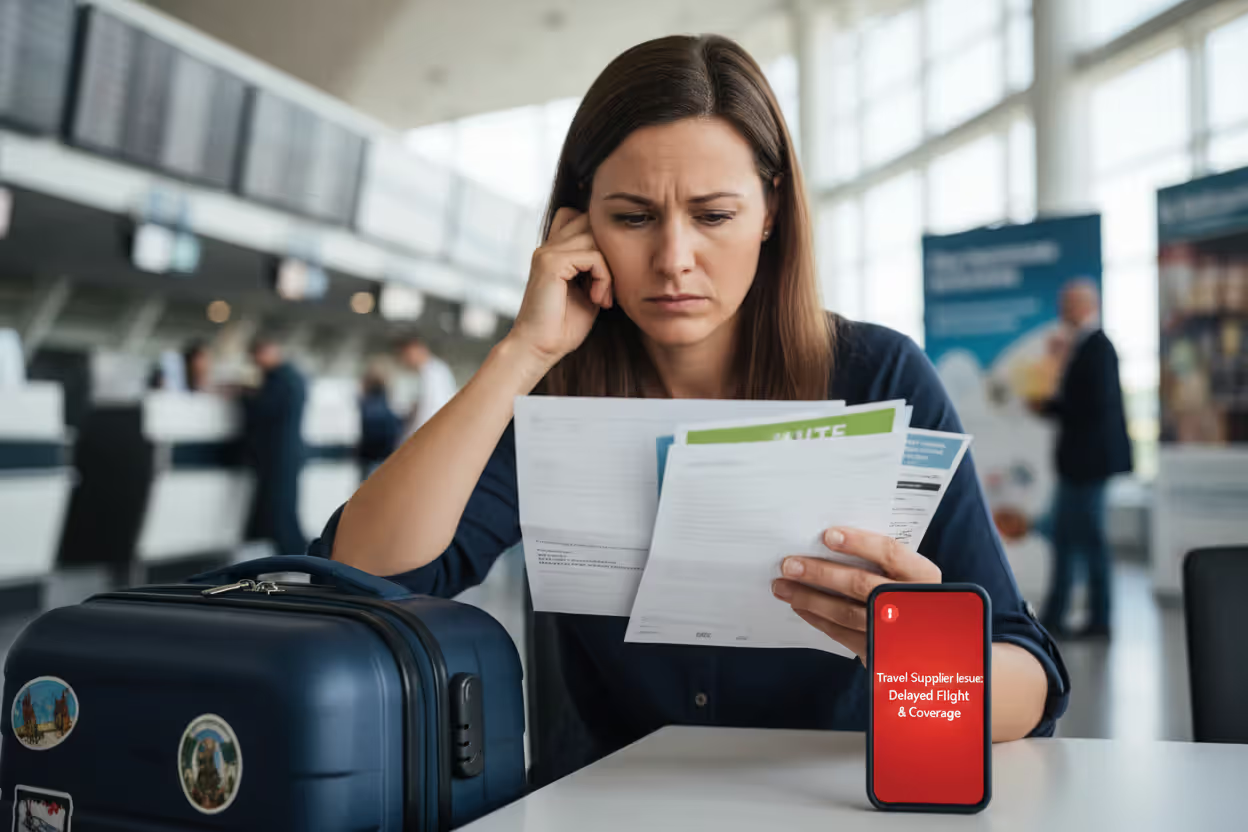
Financial default protection covers bankruptcy scenarios—your tour operator folds, your cruise line goes under, your travel supplier disappears. Early purchasers get coverage for suppliers they've already paid. Buy later, and many policies only protect future payments to at-risk companies, which helps almost nobody booking standard trips where you've already paid most costs upfront.
Rental car collision waivers, adventure sports riders, extreme weather add-ons—some insurers reserve these exclusively for early buyers. Benefits vary wildly by company, so comparing specific policy documents beats making assumptions about standardized coverage.
Coverage Available Anytime Before Departure
Trip cancellation for legitimate covered reasons doesn't care when you buy. Covered reasons typically include sudden illness, injury, death in the family, jury duty, job termination, or severe weather closing airports. Cancel for any of these, and you'll get reimbursed for non-refundable costs whether you bought insurance six months ago or yesterday.
Author: Dylan Mercer;
Source: visitmuseumcampussouth.com
Emergency medical coverage and evacuation work the same way. Break your leg skiing in the Alps? Need emergency surgery in Bangkok? Require air ambulance transport from a remote location? Your policy responds identically regardless of purchase timing.
Baggage protection, travel delays, missed connections—all the logistical nightmares that happen during trips rather than before—don't require early purchase. These benefits exist to solve problems that occur after you've left home, so buying two months versus two days before departure makes zero difference.
Trip interruption reimbursement covers situations where you must abandon your trip midway and rush home. You'll recover costs for unused prepaid arrangements plus additional last-minute transportation. Available whenever you purchase, as long as it's before you depart.
How to Add Travel Insurance to an Existing Booking
Three paths lead to post-booking insurance, each with tradeoffs worth considering based on your situation.
Path one: circle back to wherever you originally booked. Made reservations through Expedia, Priceline, or directly with an airline? Log into your account, pull up your itinerary, and look for the insurance add-on option. Takes maybe five minutes, requires zero additional research, but here's the limitation—you'll typically see one, maybe two insurance options, both with standard coverage packages. No customization, limited comparison shopping.
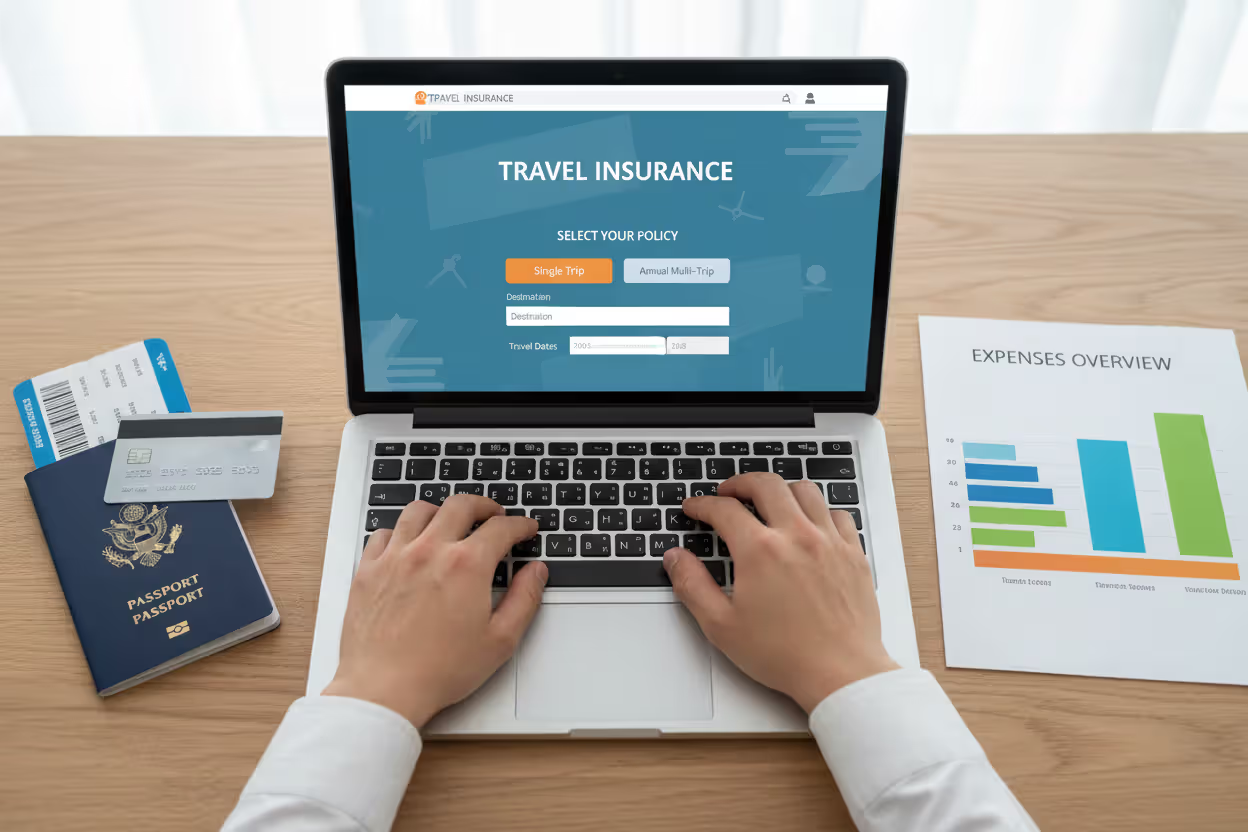
Path two: go straight to insurance companies. Visit Allianz.com, TravelGuard.com, or any major insurer's website. Enter trip details—dates, destination, total cost, number of travelers—and buy directly. This approach opens up full policy customization, better pricing in many cases, and complete control over coverage levels. You'll need basic information handy: exact departure and return dates, your destination, complete trip cost including all non-refundable expenses, and details for everyone traveling.
Path three: use comparison platforms like InsureMyTrip or Squaremouth. These sites aggregate dozens of insurers, displaying coverage and prices side by side. They operate on commissions from insurance companies, so you're not paying extra fees. Particularly valuable when you want to evaluate multiple options without visiting ten different insurer websites. Most offer customer service reps who'll walk you through policy differences.
Can you add travel insurance after booking through any of these methods? Process typically runs 10-15 minutes online. Coverage usually kicks in at 12:01 AM the day after purchase, though some insurers offer immediate activation for certain benefits if you're already mid-trip (less common, verify before assuming).
Here's how it actually works: First, compile your trip information—departure date, return date, destination, total prepaid costs that are non-refundable. Second, identify must-have benefits. Need medical coverage abroad? Cancellation protection? Both? Third, collect quotes from at least three sources for comparison. Fourth, download and read actual policy documents, not just benefit summaries. Fifth, purchase before any critical deadlines for time-sensitive protections you want.
Author: Dylan Mercer;
Source: visitmuseumcampussouth.com
One tactic people overlook: layering multiple policies. Missed the early window for CFAR? Buy a standard policy for medical coverage, then separately purchase a CFAR-only policy from a provider with more flexible enrollment. Costs more than a single comprehensive policy, but fills gaps you'd otherwise face.
Situations Where Post-Booking Insurance Makes Sense
Last-minute trips force the issue. Book Thursday for a Saturday departure and there's no such thing as simultaneous booking and insurance purchase—everything happens in a compressed timeframe. The trick is buying immediately rather than telling yourself you'll handle it "tomorrow," which might push you past provider cutoffs.
Changing circumstances drive plenty of post-booking purchases. Maybe you booked months ago when you were healthy, then received an unexpected diagnosis. Or you reserved summer travel to the Caribbean, and now it's September with hurricane forecasts looking ominous for your November dates. New information justifies adding protection you didn't think you needed originally.
Honestly? People forget. You're frantically comparing flight times, hotel locations, car rental rates—insurance feels like something to tackle after booking rather than during the chaos. Not optimal timing, sure, but late coverage beats none.
Sometimes thorough comparison requires more time than you have while booking. You might reserve your trip immediately to lock in pricing, then spend the following week researching insurers, reading policy exclusions, comparing deductibles. This methodical approach can produce better insurance decisions despite missing early-purchase windows.
Corporate travel throws curveballs. Some companies prohibit employees from buying insurance during booking, requiring separate approval through designated procurement channels. Business travelers have no choice—they'll always add insurance after booking, usually through whatever provider their company contracts with.
Group travel coordinators face similar constraints. Someone books travel for 15 wedding guests, then offers insurance as optional. Participants decide individually over the next few weeks whether to purchase. Destination weddings, family reunions, group tours—all create natural delays between booking and insurance.
Common Mistakes When Getting Travel Insurance After Booking
Procrastination tops the list. You tell yourself "I'll buy it this weekend" without setting an actual calendar reminder. Days slip by, then weeks, and suddenly you've blown past deadlines for pre-existing condition waivers or CFAR. Fix this by scheduling a specific alarm for 7-10 days after booking—make the decision then, not "eventually."
Misunderstanding what you're actually getting causes claim-time surprises. Someone purchasing 30 days post-booking might assume comprehensive coverage, then discovers their chronic back problem isn't covered when they need to cancel. Solution: read the "Conditions and Limitations" section, not just the marketing summary highlighting benefits.
Assuming timing doesn't matter leads to bad planning. If you specifically want CFAR or pre-existing condition coverage, verify those requirements before doing anything else. Don't browse policies generally and hope everything's included.
Underinsuring trip costs creates reimbursement headaches. Spent $5,000 but only insured $3,500? You won't recover full costs if you cancel. Calculate accurately when adding travel insurance after booking—include flights, hotels, tours, event tickets, rental cars, everything prepaid and non-refundable.
Lying about pre-existing conditions seems tempting after missing early-purchase windows. You'll face medical questions, and dishonest answers might get you a policy. But claims get denied when insurers review medical records, leaving you unprotected despite paying premiums.
Buying duplicate coverage wastes money. Your credit card might include travel protections. Your health insurance may cover medical emergencies internationally. Before purchasing comprehensive policies, inventory what you already have and only buy what fills actual gaps.

Author: Dylan Mercer;
Source: visitmuseumcampussouth.com
Ignoring policy start dates creates coverage lapses. Most policies activate at 12:01 AM the day after purchase or your departure date, whichever arrives first. Leaving tomorrow and buying today? Verify exactly when coverage begins—you might need immediate-start policies rather than standard next-day activation.
Frequently Asked Questions About Adding Travel Insurance After Booking
Getting travel insurance after booking your trip? Completely possible, often perfectly reasonable. The question you should actually ask: does the coverage available at this point meet your specific needs?
Still within 14-21 days of your initial trip payment and wanting comprehensive protection including pre-existing condition coverage or CFAR? Move now. These time-sensitive benefits provide the strongest protection and justify immediate action.
Already past that window? You can still secure valuable coverage for medical emergencies, trip interruption, baggage problems, and cancellation for covered reasons. This protection remains worthwhile for expensive trips, international destinations, or situations where unexpected cancellation would cause financial hardship.
The absolute worst decision? Skipping insurance entirely because you missed the "perfect" purchase window. Adequate coverage bought late beats perfect coverage you never purchased. Evaluate your actual risks—health status, trip investment, destination stability, supplier refund policies—then buy the strongest protection available within your current timeframe.
For future trips, establish a simple personal rule: research insurance while booking your trip, purchase within seven days of your initial payment. This habit ensures you'll never again wonder whether you can add coverage after the fact—you'll already have protection in place before questions arise.
Related Stories

Read more
Read more



The content on this website is provided for general informational and educational purposes only. It is intended to offer guidance on travel insurance topics, including coverage options, premiums, deductibles, trip cancellation protection, travel medical insurance, baggage coverage, travel delays, emergency medical evacuation, and related travel protection matters. The information presented should not be considered legal, medical, financial, or professional insurance advice.
All articles and explanations published on this website are for informational purposes only. Travel insurance policies can vary between providers, and details such as coverage limits, exclusions, reimbursement conditions, waiting periods, eligibility requirements, and claim outcomes may differ depending on the insurer, policy type, destination, traveler age, health status, and trip details.
While we strive to keep the information accurate and up to date, this website makes no guarantees regarding the completeness or reliability of the content. Use of this website does not create a professional relationship. Visitors should review the official policy documents provided by insurance companies and consult with licensed insurance professionals or qualified advisors before making decisions about travel insurance coverage.