

Traveler reviewing trip bookings, insurance documents, and travel budget at a desk
Trip Protection Insurance Guide for US Travelers

Content
Content
You've just dropped $5,200 on a dream vacation. Flights? Booked. Hotel? Paid in full for the discount. Three months later, your father lands in the hospital. Or a hurricane parks itself over your resort. Or your company announces layoffs—and you're on the list.
Every dollar you spent? Gone.
Trip protection exists to prevent exactly this scenario, but figuring out what these policies actually do—versus what the sales pitch promises—takes some digging.
Here's what you need to know to decide whether trip protection makes sense for your next vacation, how much you should expect to pay, and what to look for when comparing policies.
What Is Trip Protection Insurance?
Think of trip protection as a safety net for your vacation budget. When covered circumstances force you to cancel before departure or cut your trip short, these policies reimburse what you've already paid—the flights, hotels, tours, and deposits that vendors won't refund.
Most policies bundle multiple protections together. You're not just buying cancellation coverage. The package typically includes:
- Trip cancellation before you leave
- Trip interruption if you need to come home early
- Travel delays that leave you stuck in airports
- Emergency medical treatment during your trip
- Lost or delayed baggage reimbursement
Airlines, cruise lines, and booking sites often push their own "trip protection" at checkout. Insurance companies sell similar policies—sometimes called "travel insurance"—directly or through comparison sites. The supplier versions might cost less but typically cover fewer scenarios. A cruise line's plan might only reimburse you if that specific cruise line cancels your voyage, while a standalone policy covers dozens of cancellation reasons.

Author: Ethan Holloway;
Source: visitmuseumcampussouth.com
These policies only pay for specific triggering events written into your contract. You can't cancel because you found a cheaper flight or decided you'd rather visit Iceland than Italy instead. The policy lists exactly what qualifies—usually things like documented illness, family member deaths, severe weather making your destination unreachable, mandatory jury duty, or your house becoming unlivable due to fire or flooding.
The reimbursement matches your actual prepaid costs, not what the vacation was "worth." Spent $4,000 on non-refundable cruise deposits? If you cancel for a covered reason, you get back $4,000, minus whatever the cruise line refunds on their own.
Most travelers underestimate the financial exposure they're taking on when they book non-refundable travel. A comprehensive trip protection plan typically costs 5-7% of your total trip cost, but it can protect 100% of your investment if something goes wrong
— Stan Sandberg
What Does Trip Protection Typically Cover?
Understanding each coverage component matters more than just knowing you're "protected." Let's break down what's actually included.
Trip cancellation forms the foundation. Cancel before departure for a covered reason—you documented an illness, a family member died, weather closed your destination—and the policy reimburses your non-refundable prepaid expenses. Key word: cancel entirely. Postponing your trip or rescheduling generally doesn't count.
Trip interruption kicks in once you've started traveling. Your mother has a stroke on day three of your ten-day tour. You need to fly home immediately. Interruption coverage reimburses the unused portion of your trip plus the cost of that emergency flight home. Because last-minute flights cost a fortune, policies often cover 150-200% of your trip cost for interruption—more than the cancellation benefit.
Travel delay coverage provides cash for additional expenses when departures get pushed back. Your flight gets delayed 8 hours? The policy reimburses meals, a hotel room if overnight, and essential items like toiletries. Most policies require a 6-12 hour delay before coverage triggers.
Emergency medical coverage pays for treatment if you get sick or injured during your trip. This matters enormously for international travel. Medicare doesn't cover you abroad. Many private insurance plans provide minimal or zero international coverage. Break your leg skiing in Switzerland without trip protection? You're paying out-of-pocket for everything. Medical evacuation coverage—included in most comprehensive plans—pays to transport you to adequate facilities or back to the US if local hospitals can't handle your condition. Those flights can cost six figures.
Author: Ethan Holloway;
Source: visitmuseumcampussouth.com
Baggage coverage reimburses you for lost, stolen, or damaged luggage, plus essential purchases if your bags arrive 12-24 hours late. The airline's liability caps at around $3,800 for domestic flights and even less internationally, so additional coverage can help.
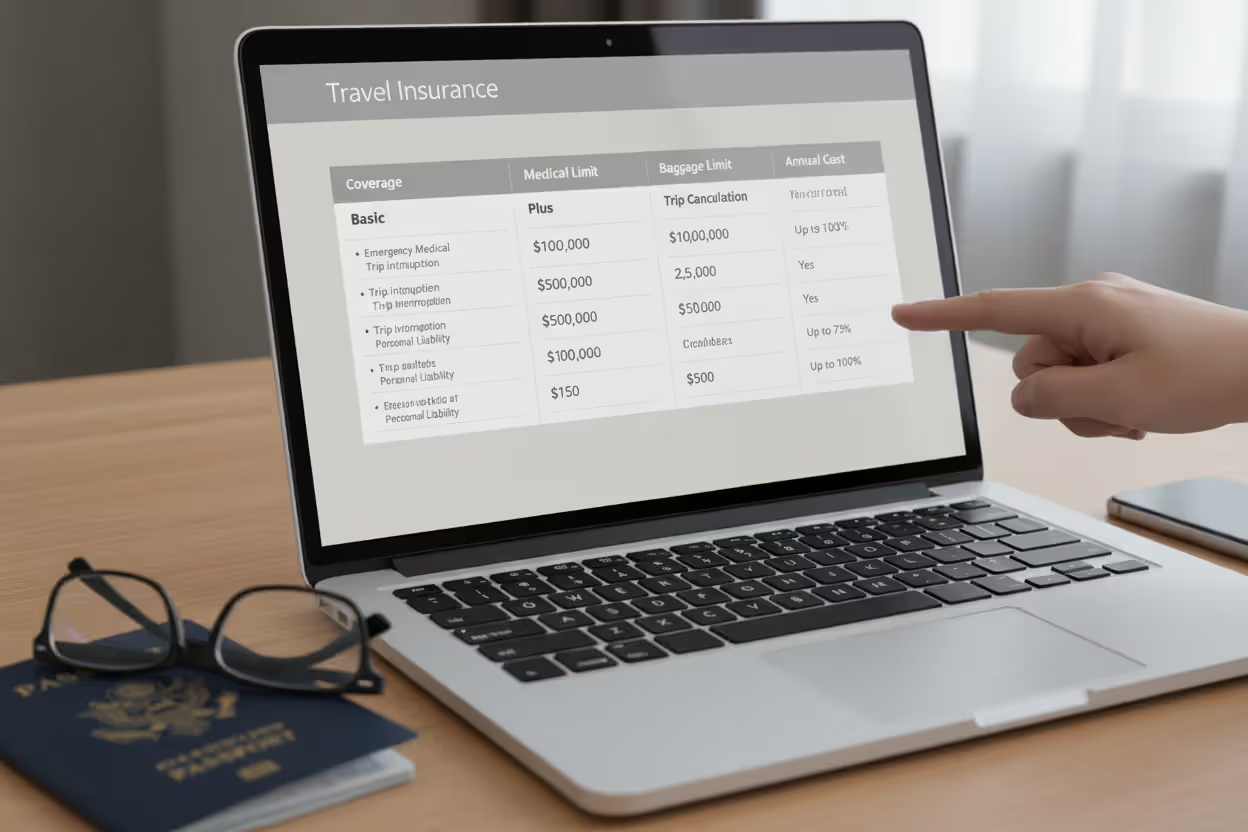
Now let's compare basic versus comprehensive coverage:
| Coverage Type | Basic Plans | Comprehensive Plans |
| Trip Cancellation | Covers trip cost; limited triggers (illness, death, severe weather only) | Covers trip cost; expanded triggers (adds job loss, home damage, jury duty) |
| Trip Interruption | 100-150% of trip cost | 150-200% of trip cost |
| Emergency Medical | $10,000-$25,000 | $50,000-$250,000 |
| Medical Evacuation | $50,000-$100,000 | $250,000-$500,000 |
| Travel Delay | $200-$500; triggers after 12-hour delay | $500-$2,000; triggers after 6-hour delay |
| Baggage Loss | $500-$1,000 | $1,500-$3,000 |
| Cancel For Any Reason | Never included | Available as add-on (refunds 50-75%) |
| Pre-existing Condition Coverage | Almost never | Included when purchased within 14-21 days of initial deposit |
Comprehensive policies usually throw in extras like 24/7 travel assistance hotlines, concierge services, and rental car damage waivers that basic plans skip entirely.
How Much Does Trip Protection Cost?
Expect to pay somewhere between 4% and 10% of your total non-refundable trip cost.
Planning a $3,000 vacation? Budget $120-$300 for protection. A $10,000 trip might run $400-$1,000 to insure. Basic plans cluster around 4-5% of trip cost, while loaded comprehensive policies with add-ons push toward 8-10%.
Your age dramatically affects the price. Travelers over 65 typically pay 15-30% more than younger travelers because medical risks increase. Some insurers don't implement age-based pricing until you hit 70 or 75, while others start at 60. Shop around—age surcharges vary wildly between companies.
Your destination matters, but probably less than you think. Domestic trips and international travel to stable countries (Canada, Western Europe) cost about the same to insure. Head somewhere with expensive medical care, political instability, or frequent natural disasters? Expect a 10-20% premium bump. That two-week European vacation might cost $50-$100 more to insure than a domestic trip worth the same amount.
Trip length influences cost because more days create more opportunities for problems. A 14-day cruise carries more risk than a four-day weekend getaway, even if you spent similar amounts on both.
Coverage level and add-ons create the biggest price swings. Adding "cancel for any reason" coverage typically increases your premium 40-60%. Adventure sports riders, higher medical limits, or rental car coverage each tack on $20-$75.
Run quotes from three different insurers for the same trip and you'll often see $100-$200 differences. Comparison shopping pays off.
Is Trip Protection Worth It?
Whether trip protection makes financial sense depends on three things: how much you're risking, how easily you could absorb that loss, and what could realistically go wrong.
The trip's cost matters most. Spending $6,000 on a vacation—maybe a significant chunk of your annual vacation budget? Losing it all to an emergency would hurt. Paying $300-$400 for protection makes sense. Booking a $600 weekend getaway? If you've got the financial cushion to absorb that loss without stress, skip the insurance.
Check what's actually non-refundable. Some hotels let you cancel up to 24 hours before arrival. Many tours offer flexible cancellation windows. Review every booking's cancellation terms before buying protection. If most components are refundable or you booked with a credit card offering trip cancellation benefits, you might need less coverage—or none at all.
Health situations elevate your risk. Travelers with chronic conditions, elderly parents, or pregnant family members face higher odds of needing to cancel. Here's the catch: pre-existing condition coverage only applies if you buy the policy within 14-21 days of your initial trip deposit. Wait longer and any existing health issues won't be covered reasons for cancellation.
International trips raise the stakes substantially. Your regular health insurance probably offers minimal or zero coverage abroad. A medical emergency in Europe or Asia could cost tens of thousands out-of-pocket. Emergency evacuation alone often exceeds $100,000. For international travel, medical coverage often justifies the entire premium regardless of the cancellation benefit.

Author: Ethan Holloway;
Source: visitmuseumcampussouth.com
Some destinations carry obvious risks. Booking a Caribbean resort during hurricane season? Planning a ski trip that needs snow to be worthwhile? Visiting regions with political instability? Weather-related cancellations top the list of most common claims. Higher risk justifies protection.
Group travel multiplies everything. Booking for four people instead of two doubles your financial exposure. One person's illness can force the entire group to cancel, multiplying the potential loss.
Here's a practical rule: If losing your prepaid expenses would require dipping into savings, adjusting your budget elsewhere, or causing any real financial stress, buy the coverage. If you could shrug off the loss without meaningful impact, evaluate whether the medical and interruption benefits alone make sense for your specific trip.
When Should You Buy a Trip Protection Plan?
Timing determines which coverage you can actually get. The sweet spot? Within 14-21 days of booking your first major trip component—usually your flight or cruise deposit.
Buy during this window and you unlock pre-existing condition waivers. Without this, any health issue you've seen a doctor for in the past 60-180 days (varies by policy) won't count as a valid cancellation reason. Got high blood pressure you manage with medication? See your doctor regularly for diabetes? Without the waiver, complications from these conditions won't be covered. Miss the purchase window and you lose this crucial protection.
Early purchase also activates cancel for any reason eligibility. Most CFAR riders require purchase within 10-21 days of your initial deposit and mandate insuring 100% of your prepaid costs.
Can you buy later? Absolutely. You can purchase trip protection anytime before departure. But you forfeit the time-sensitive benefits. Some travelers intentionally book refundable accommodations first, then switch to cheaper non-refundable rates closer to departure once they're confident they'll go. Buying protection when you switch to non-refundable makes sense in this scenario, even without early-purchase perks.
Last-minute purchases work up until departure, but coverage gets restricted. No pre-existing condition waivers. No CFAR. Some insurers limit medical coverage if you buy within 24-48 hours of leaving.
Resist buying from the airline or cruise line immediately at checkout without comparing. Their plan might seem convenient, but standalone policies often deliver better coverage for the same price or less. Take twenty minutes to compare at least two alternatives before clicking "buy."
Common Exclusions and Limitations
Understanding what trip protection doesn't cover prevents nasty surprises when filing claims.
Known events don't qualify. Hurricane already forecast for your destination when you bought your policy? You can't claim if that storm causes cancellation. Already aware your father's terminally ill when you purchase coverage? His death won't be a covered cancellation reason unless you secured a pre-existing condition waiver.
Changing your mind doesn't count under standard policies. Decided you don't want to go? Found a better deal elsewhere? Want to travel at a different time? None of these trigger reimbursement unless you purchased cancel-for-any-reason coverage—and even CFAR only returns 50-75% of your costs, requiring you to cancel at least two full days before departure.
Government travel warnings issued after your purchase may or may not be covered. Policies vary dramatically here. Some cover cancellation if the State Department issues a Level 4 "Do Not Travel" advisory after you bought coverage, while others exclude this entirely. Read the specifics.
Adventure activities like skydiving, scuba diving below certain depths, or extreme sports typically aren't covered unless you buy an adventure sports rider. Planning anything beyond standard tourist activities? Read the policy's excluded activities list carefully.
Mental health concerns about traveling—anxiety, fear, stress—won't trigger coverage unless you're hospitalized or a physician documents you're medically unfit to travel.
Claim filing deadlines are strict. Most insurers require filing within 20-90 days of the incident. Miss that deadline and your claim gets denied regardless of how valid your reason was.
Supplier bankruptcy coverage—protection if your airline, cruise line, or tour operator goes bust—often comes with severe limitations. Some policies only cover suppliers on a pre-approved list or cap coverage well below your trip cost.
Alcohol or drug-related incidents void coverage completely. Injured while intoxicated? Missed your flight because you were impaired? Your claim gets denied.
Always request and read the actual policy certificate before purchasing—not just the marketing summary. The certificate details every exclusion and limitation precisely.
How to Choose the Right Vacation Protection Insurance
Selecting the right protection requires comparing policies across multiple dimensions.
Author: Ethan Holloway;
Source: visitmuseumcampussouth.com
Match coverage limits to your actual exposure. Your trip costs $8,000? Make sure the policy covers that full amount. Some basic plans cap reimbursement at $5,000 or $10,000 regardless of your trip cost—a nasty surprise if you need to claim.
International travel demands higher medical limits. A $25,000 medical coverage limit might work for a Canadian road trip but falls dangerously short for extended European or Asian travel where hospital stays can run $5,000-$10,000 daily. Look for minimum $50,000 medical coverage and $250,000 evacuation coverage for international trips.
Scrutinize the covered reasons list. Not all policies cover job loss. Those that do often impose strict conditions—employed for at least one year with the same company, job loss through no fault of your own, must provide termination documentation. If specific scenarios worry you—jury duty, home becoming uninhabitable, terrorist incidents—verify they're explicitly listed as covered reasons.
Check provider financial ratings and reviews. A cheap policy from a financially unstable insurer becomes worthless when they can't pay claims. Verify AM Best ratings (look for A- or higher). Read recent customer reviews focusing on claim experiences and processing times, not just pricing.
Understand the actual claim process. Some insurers handle everything online with 5-7 day turnarounds. Others require mailing paper forms and take 30-60 days to process claims. Ask about typical processing times and required documentation before buying.
Consider cancel-for-any-reason if flexibility matters. CFAR costs significantly more—that 40-60% premium increase—but reimburses 50-75% of trip costs for literally any reason, including simple change of mind. You typically must cancel at minimum 48 hours before departure to qualify.
Review credit card benefits first. Cards like Chase Sapphire Reserve or premium American Express cards include trip protection benefits. Check what your card already covers before buying a policy. You might need less coverage than you think, or you might need to supplement card benefits with specific additional protections.
Compare at least three quotes from different provider types: a direct insurer (Allianz, Travel Guard), an aggregator (Squaremouth, InsureMyTrip), and the supplier's offered plan. Price differences of 20-40% for essentially similar coverage happen regularly.
Frequently Asked Questions About Trip Protection
Trip protection serves one purpose: shifting financial risk from your shoulders to an insurance company. Whether that shift makes sense depends on how much you're risking, what you're risking it on, and how much financial pain you'd feel if things go sideways.
Travelers who benefit most? Those booking expensive trips loaded with non-refundable components, heading internationally where medical costs could prove catastrophic, or facing higher-than-average cancellation risks because of health or family situations. The peace of mind alone can enhance your vacation when you know disaster won't drain your savings.
Frequent travelers with flexible bookings, robust health insurance covering international travel, and sufficient savings to absorb potential losses might reasonably skip protection for many trips, banking those premium dollars for the vacation itself.
Spend thirty minutes comparing actual policies for your specific trip. Read coverage details, not marketing summaries. Calculate your total non-refundable exposure. Review what protection your credit card already provides. Then make an informed decision based on your actual situation rather than fear or habit.
The right choice varies by trip and traveler. But it should always be a choice made with full understanding of what you're buying and what you're protecting against.
Related Stories

Read more

Read more




The content on this website is provided for general informational and educational purposes only. It is intended to offer guidance on travel insurance topics, including coverage options, premiums, deductibles, trip cancellation protection, travel medical insurance, baggage coverage, travel delays, emergency medical evacuation, and related travel protection matters. The information presented should not be considered legal, medical, financial, or professional insurance advice.
All articles and explanations published on this website are for informational purposes only. Travel insurance policies can vary between providers, and details such as coverage limits, exclusions, reimbursement conditions, waiting periods, eligibility requirements, and claim outcomes may differ depending on the insurer, policy type, destination, traveler age, health status, and trip details.
While we strive to keep the information accurate and up to date, this website makes no guarantees regarding the completeness or reliability of the content. Use of this website does not create a professional relationship. Visitors should review the official policy documents provided by insurance companies and consult with licensed insurance professionals or qualified advisors before making decisions about travel insurance coverage.