

Traveler at airport checking travel medical insurance policy on smartphone
Travel Medical Insurance Guide

Medical emergencies don't wait for convenient moments—especially when you're thousands of miles from home. A broken leg while skiing in Switzerland or a sudden appendicitis in Thailand can quickly turn a dream vacation into a financial nightmare if you're relying solely on your domestic health insurance.
Travel medical insurance exists to bridge the gap between your regular health coverage and the realities of seeking medical care abroad. Unlike standard travel insurance that primarily covers trip cancellations or lost luggage, this specialized coverage focuses on one thing: protecting you from catastrophic medical expenses when you're away from home.
What Is Travel Medical Insurance
Travel medical insurance is a specialized policy that covers emergency medical treatment and related expenses when you travel outside your home country or, in some cases, outside your home state. The coverage activates when you need urgent medical care during your trip and typically continues until you return home or reach a facility where your regular insurance takes over.
This coverage differs fundamentally from your regular health insurance. Most domestic health plans provide limited or zero coverage for medical care received abroad. Even if your plan technically covers international emergencies, you'll likely face out-of-network rates, sky-high deductibles, and the burden of paying upfront before seeking reimbursement.
Medical travel insurance also operates separately from trip cancellation insurance. Trip insurance reimburses prepaid, non-refundable expenses if you can't travel due to covered reasons—illness, weather events, or family emergencies. Travel medical insurance, by contrast, only covers medical expenses that occur during your trip. Many comprehensive travel insurance plans bundle both types of coverage, but you can purchase standalone medical coverage if you've already booked non-refundable arrangements or simply want focused protection.

Author: Samantha Lowell;
Source: visitmuseumcampussouth.com
The policy activates the moment you leave your home country (or state, for domestic policies) and remains in effect until your scheduled return date. If you extend your trip, you'll typically need to contact your insurer to extend coverage—waiting until after an incident occurs won't work.
Who Needs Medical Travel Insurance
Anyone traveling internationally should seriously consider medical travel insurance, but certain groups face higher risks that make coverage essential rather than optional.
Frequent international travelers who take multiple trips annually often purchase annual multi-trip policies rather than buying single-trip coverage each time. These plans cost less per trip and eliminate the risk of forgetting to purchase coverage before departure.
International trips to countries with expensive healthcare systems—Canada, Japan, and most of Western Europe—can generate six-figure medical bills for serious emergencies. A heart attack in New York City might cost $50,000, but the same event in Zurich could easily exceed $100,000. Countries with lower healthcare costs still present risks: even "affordable" medical care in Southeast Asia can strain your budget when you factor in multi-day hospital stays, specialists, and medical evacuation.
Travelers with pre-existing conditions face unique challenges. Standard travel insurance medical policies often exclude coverage for any condition you had before purchasing the policy. However, many insurers offer pre-existing condition waivers if you buy coverage within 10-21 days of making your first trip deposit and meet other requirements. Without this waiver, your diabetes-related hospitalization or heart condition complications won't receive coverage.
Adventure activities dramatically increase your medical risk. Standard policies may exclude injuries from skiing, scuba diving, mountain climbing, or motorcycle riding. If your trip includes these activities, you'll need to purchase additional riders or choose a policy that specifically covers adventure sports. A helicopter rescue from a remote hiking trail can cost $25,000-$50,000 alone.

Author: Samantha Lowell;
Source: visitmuseumcampussouth.com
Age considerations matter significantly. Travelers over 65 face higher premiums and may encounter coverage caps or exclusions. Some insurers won't cover travelers over 80, while others charge premiums that rival the cost of the trip itself.
The domestic versus international coverage question confuses many travelers. Your health insurance likely provides full coverage for medical care within the United States, making travel medical insurance unnecessary for domestic trips. However, if you're traveling to remote areas far from quality medical facilities, you might want coverage that includes medical evacuation to a major hospital—something your regular insurance probably won't cover.
What Travel Insurance Medical Coverage Includes
Understanding what your policy actually covers prevents unpleasant surprises when you're standing in a foreign emergency room trying to figure out who pays for what.
Emergency Medical Treatment
This core coverage pays for urgent medical care you receive during your trip. Emergency room visits, hospital stays, surgery, prescription medications, and doctor consultations all fall under this category. The key word is "emergency"—routine care, elective procedures, and follow-up appointments for pre-existing conditions typically don't qualify.
Coverage limits vary widely, from $50,000 to $1,000,000 or more. A $50,000 limit might seem generous until you consider that a serious accident requiring surgery and a week-long hospital stay can easily exceed that amount in high-cost countries. Most experts recommend minimum coverage of $100,000 for travel to expensive healthcare markets.
Some policies require you to pay upfront and submit receipts for reimbursement. Better policies offer direct billing arrangements with hospitals, meaning the insurer pays the facility directly. This distinction matters enormously when you're facing a $40,000 hospital bill and don't have that amount available on your credit cards.
Emergency Medical Evacuation
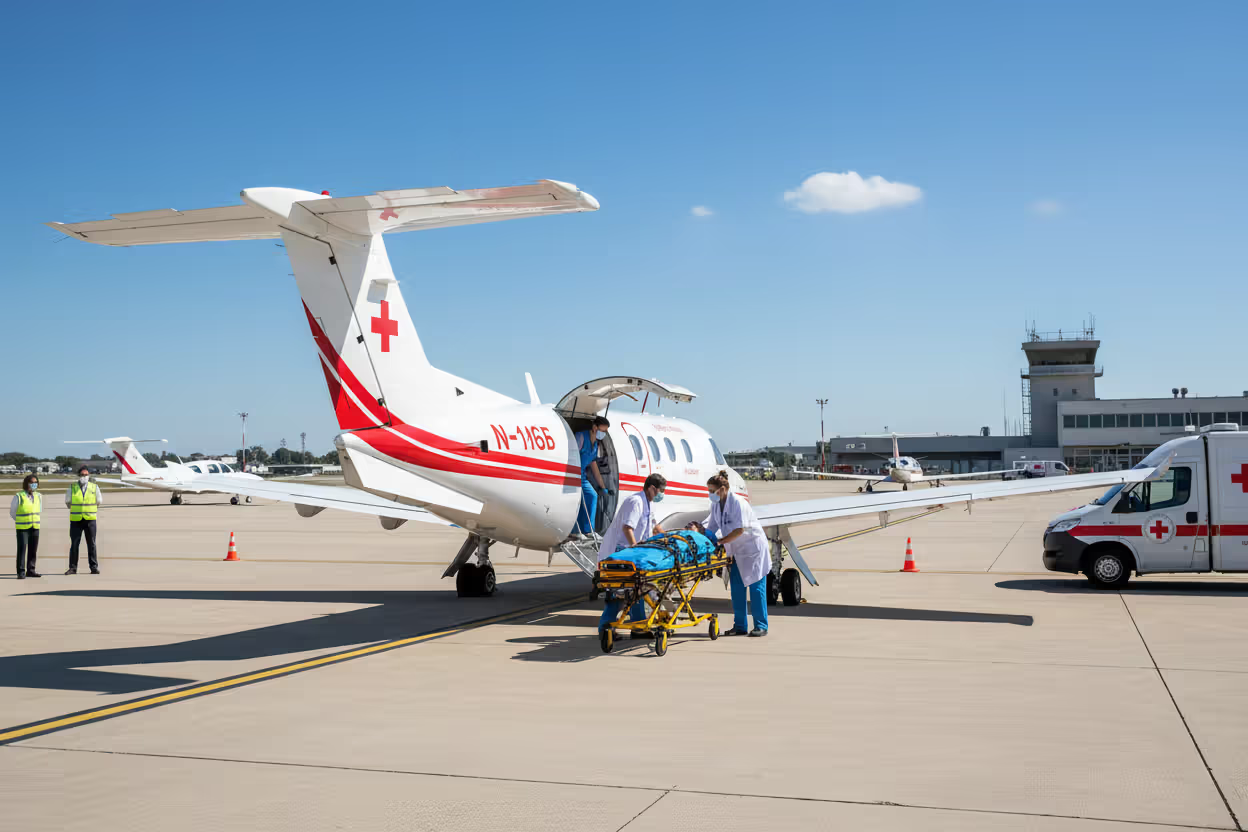
Medical evacuation coverage pays to transport you from your current location to the nearest adequate medical facility or, in some cases, back to your home country for treatment. This benefit alone justifies the cost of travel and medical insurance for many travelers.
Evacuation costs vary based on distance, method of transport, and medical complexity. An ambulance ride to a better hospital in the same city might cost $2,000-$5,000. An air ambulance from a remote location to a major city can reach $25,000-$50,000. Medical evacuation from a developing country to the United States—requiring a specialized air ambulance with medical staff and equipment—can exceed $100,000.
The policy determines what qualifies as "adequate" medical care. If you suffer a heart attack while trekking in Nepal, evacuation to Kathmandu might satisfy the policy requirements even if you'd prefer to return to the United States. However, if Kathmandu facilities can't provide necessary specialized care, the insurer would cover evacuation to a country with appropriate facilities.
Author: Samantha Lowell;
Source: visitmuseumcampussouth.com
Repatriation of Remains
Nobody wants to think about dying during vacation, but repatriation coverage handles the logistics and costs of returning your body home if the worst happens. International death certificates, embalming, caskets that meet international shipping requirements, and air transport can cost $10,000-$15,000 or more.
Without this coverage, your family faces navigating foreign bureaucracy, language barriers, and unexpected expenses during an already traumatic time. Most travel insurance for medical emergencies includes repatriation as a standard benefit, though coverage limits vary from $25,000 to $50,000.
How to Choose Travel and Medical Insurance
Selecting the right policy requires balancing coverage breadth, cost, and your specific travel circumstances. Six factors should drive your decision.
Coverage limits represent the maximum amount the insurer will pay for covered expenses. Higher limits cost more but provide essential protection for serious medical events. For travel to North America, Europe, or developed Asian countries, aim for at least $100,000 in medical coverage and $250,000 in evacuation coverage. Lower-cost destinations might allow lower limits, but skimping rarely makes sense given the relatively small premium differences.
Destination requirements sometimes mandate specific insurance coverage. Cuba requires proof of medical coverage for all visitors. Many Schengen Area countries require minimum medical coverage of €30,000 (approximately $32,000) for visa applications. Some countries require COVID-19 coverage specifically. Check entry requirements before purchasing to ensure your policy meets government standards.
Trip duration affects both cost and coverage availability. Policies for trips under 30 days are straightforward and affordable. Trips lasting 30-180 days require long-term travel insurance, which costs more but provides continuous coverage. Digital nomads and long-term travelers often need specialized expat health insurance rather than traditional travel medical insurance.
Policy exclusions deserve careful reading. Every policy excludes certain situations, activities, or conditions. Common exclusions include injuries from professional sports, illegal activities, drug or alcohol-related incidents, and acts of war. Mental health coverage often has strict limits or exclusions. Some policies exclude entire countries or regions due to political instability or high risk.
Pre-existing condition waivers allow coverage for medical conditions you had before purchasing insurance. To qualify, you typically must purchase coverage within 10-21 days of making your first trip payment, insure the full cost of your trip, and be medically able to travel when you buy the policy. These waivers don't cover routine care for existing conditions—they protect you if a previously stable condition unexpectedly worsens during your trip.
Cost factors include your age, trip length, destination, coverage limits, and deductible. A healthy 35-year-old might pay $40-$80 for a two-week European vacation with $100,000 medical coverage. The same coverage for a 70-year-old could cost $200-$400. Higher deductibles reduce premiums but increase your out-of-pocket costs if you need care. A $0 deductible policy might cost 30-50% more than a policy with a $250-$500 deductible.
Travel Medical Insurance vs. Regular Health Insurance
The differences between travel medical insurance and your regular health insurance determine whether you'll face financial disaster or manageable costs during a medical emergency abroad.
| Factor | Travel Medical Insurance | Regular Health Insurance |
| International Coverage | Designed for international use; covers care anywhere | Limited or no coverage outside the U.S.; may cover only emergencies at out-of-network rates |
| Emergency Evacuation | Included in most policies; covers transport to adequate facilities or home country | Rarely covered; you pay 100% of evacuation costs |
| Claim Process | Often direct billing to hospitals; 24/7 assistance hotlines for coordination | You pay upfront and seek reimbursement; may face denials for out-of-network care |
| Out-of-Pocket Costs | Typically low deductibles ($0-$500); no coinsurance for covered emergencies | High out-of-network deductibles ($5,000+); 30-50% coinsurance common |
| Network Requirements | No network restrictions; use any licensed provider | Out-of-network penalties or complete denial of coverage |
| Pre-Approval Needs | Emergency care covered immediately; non-emergency may need approval | Often requires pre-authorization even for emergencies; impossible to obtain abroad |
This comparison reveals why assuming your health insurance "covers you anywhere" creates dangerous gaps. Even if your plan technically covers international emergencies, the out-of-network costs and reimbursement hassles can leave you with enormous bills.
Medicare provides particularly poor international coverage. Original Medicare doesn't cover healthcare outside the United States except in very limited circumstances involving Canada or Mexico when those countries are closer to your location than U.S. facilities. Medicare Supplement plans (Medigap) offer some foreign travel emergency coverage, but only up to $50,000 lifetime and only for the first 60 days of each trip.
Common Mistakes When Buying Travel Medical Coverage

Author: Samantha Lowell;
Source: visitmuseumcampussouth.com
Even travelers who recognize the need for coverage often make preventable mistakes that leave them underinsured or completely unprotected.
Waiting too long to purchase insurance ranks as the most common error. Many travelers buy coverage a few days before departure, missing the window for pre-existing condition waivers. Others wait until they arrive at their destination, only to discover that insurers won't sell coverage once you've already left home. Purchase travel medical insurance within 10-21 days of booking your trip to maximize benefits and ensure coverage for unexpected events that might occur before departure.
Assuming health insurance covers international travel affects millions of Americans. People see "emergency coverage" in their policy documents and assume that extends worldwide. A quick call to your insurance company before booking international travel can prevent this costly misunderstanding. Ask specifically: "If I need emergency surgery in [destination country], what will you cover, and what will I pay out of pocket?"
Not reading exclusions leads to denied claims and angry travelers. That ski trip to Colorado seems perfect until you break your leg and discover your budget policy excludes winter sports. The scuba diving excursion in Belize becomes a financial disaster when your policy excludes underwater activities beyond 40 feet. Read the entire policy document, not just the coverage summary, and ask questions about anything unclear.
Underestimating coverage amounts creates false confidence. A $25,000 medical coverage limit sounds substantial until you're facing a $60,000 hospital bill after a serious accident. Medical care costs vary dramatically by country, but serious emergencies can exhaust low coverage limits anywhere. The premium difference between $50,000 and $100,000 coverage often amounts to $10-$20 per trip—trivial compared to the additional protection.
Skipping adventure sports riders seems like an easy way to save money until you need them. If your trip includes skiing, scuba diving, mountain climbing, or similar activities, the base policy probably won't cover related injuries. Adventure sports riders typically add 20-40% to your premium but provide essential coverage. Trying to hide these activities when filing a claim leads to automatic denials and potential policy cancellation.
The biggest misconception travelers have is assuming their health insurance works the same abroad as it does at home.We see people every week who declined coverage because they 'have good insurance,' only to face $50,000+ bills after emergencies abroad. Your health insurance probably offers minimal international coverage, and even when it technically covers emergencies, you'll pay out-of-network rates and handle all coordination yourself in a foreign language while dealing with a medical crisis
— Sarah Mitchell
Frequently Asked Questions About Travel Insurance for Medical Emergencies
Travel medical insurance transforms potentially devastating financial situations into manageable inconveniences. The relatively small cost—typically less than the price of a nice dinner for two—provides protection against medical expenses that could cost tens or hundreds of thousands of dollars.
The decision to purchase coverage shouldn't hinge on whether you think you'll get sick or injured. Nobody plans to have a heart attack in Paris or break a leg skiing in Japan. The question is whether you can afford to self-insure against these possibilities. For most travelers, the answer is no.
Before your next international trip, compare policies from multiple insurers, read coverage details carefully, and purchase within the pre-existing condition waiver window. Verify that coverage limits match your destination's healthcare costs and that exclusions don't eliminate protection for your planned activities. Keep your policy documents and the insurer's 24/7 assistance number accessible during your trip.
The best travel medical insurance is the policy you never need to use. But when a medical emergency strikes thousands of miles from home, having the right coverage makes the difference between a stressful situation and a financial catastrophe.
Related Stories

Read more

Read more




The content on this website is provided for general informational and educational purposes only. It is intended to offer guidance on travel insurance topics, including coverage options, premiums, deductibles, trip cancellation protection, travel medical insurance, baggage coverage, travel delays, emergency medical evacuation, and related travel protection matters. The information presented should not be considered legal, medical, financial, or professional insurance advice.
All articles and explanations published on this website are for informational purposes only. Travel insurance policies can vary between providers, and details such as coverage limits, exclusions, reimbursement conditions, waiting periods, eligibility requirements, and claim outcomes may differ depending on the insurer, policy type, destination, traveler age, health status, and trip details.
While we strive to keep the information accurate and up to date, this website makes no guarantees regarding the completeness or reliability of the content. Use of this website does not create a professional relationship. Visitors should review the official policy documents provided by insurance companies and consult with licensed insurance professionals or qualified advisors before making decisions about travel insurance coverage.